John Knopf
Your aesthetic read
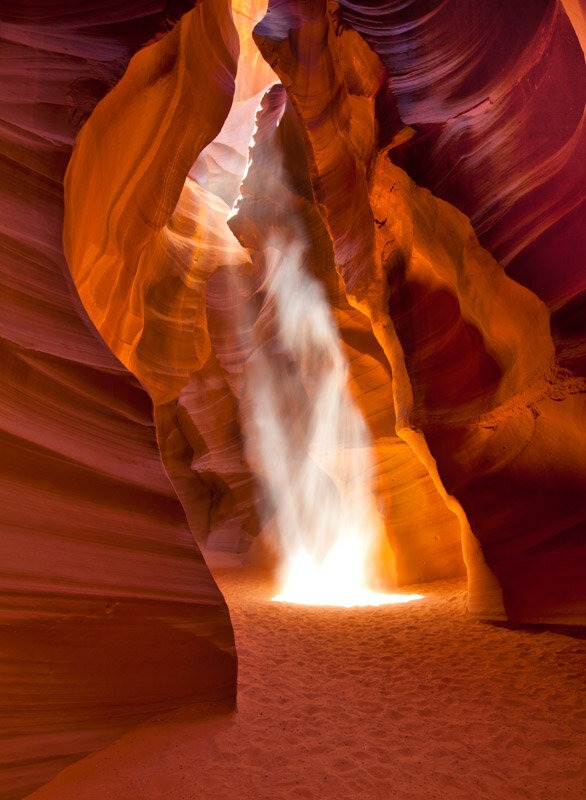
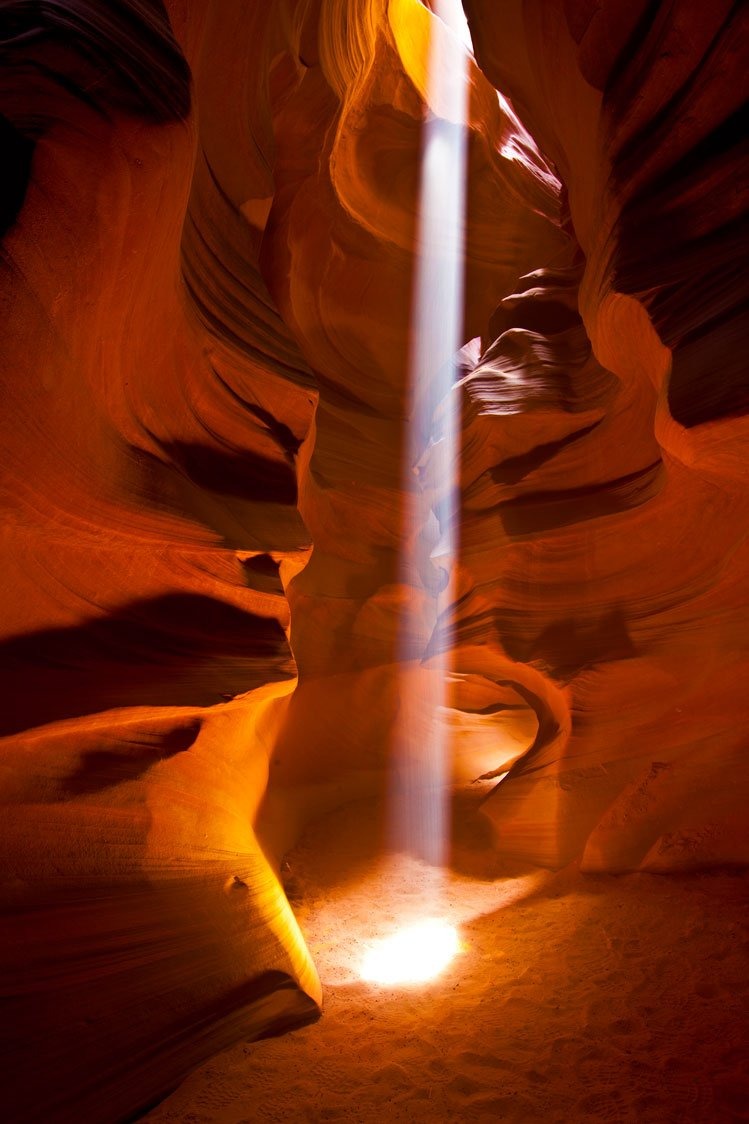
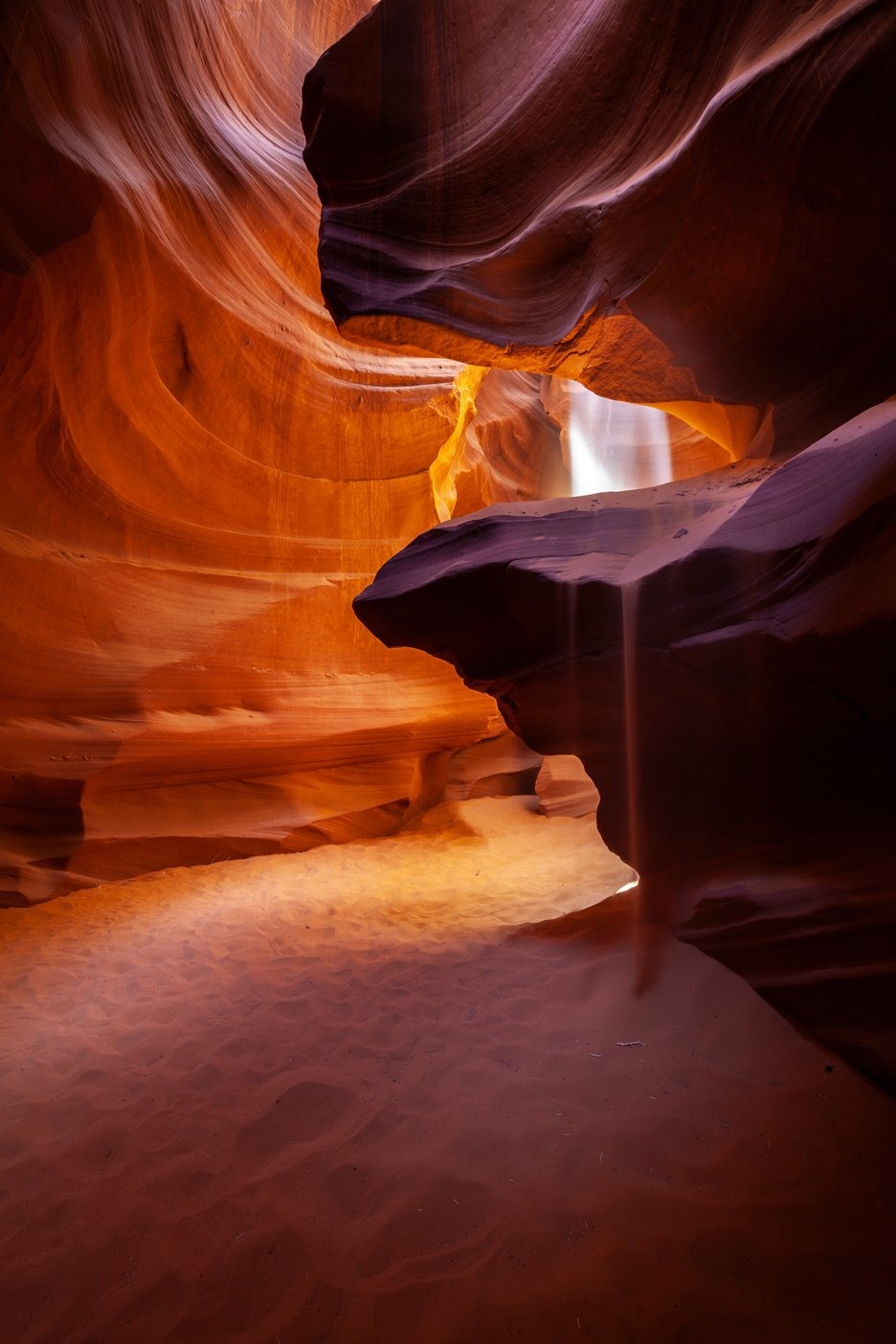
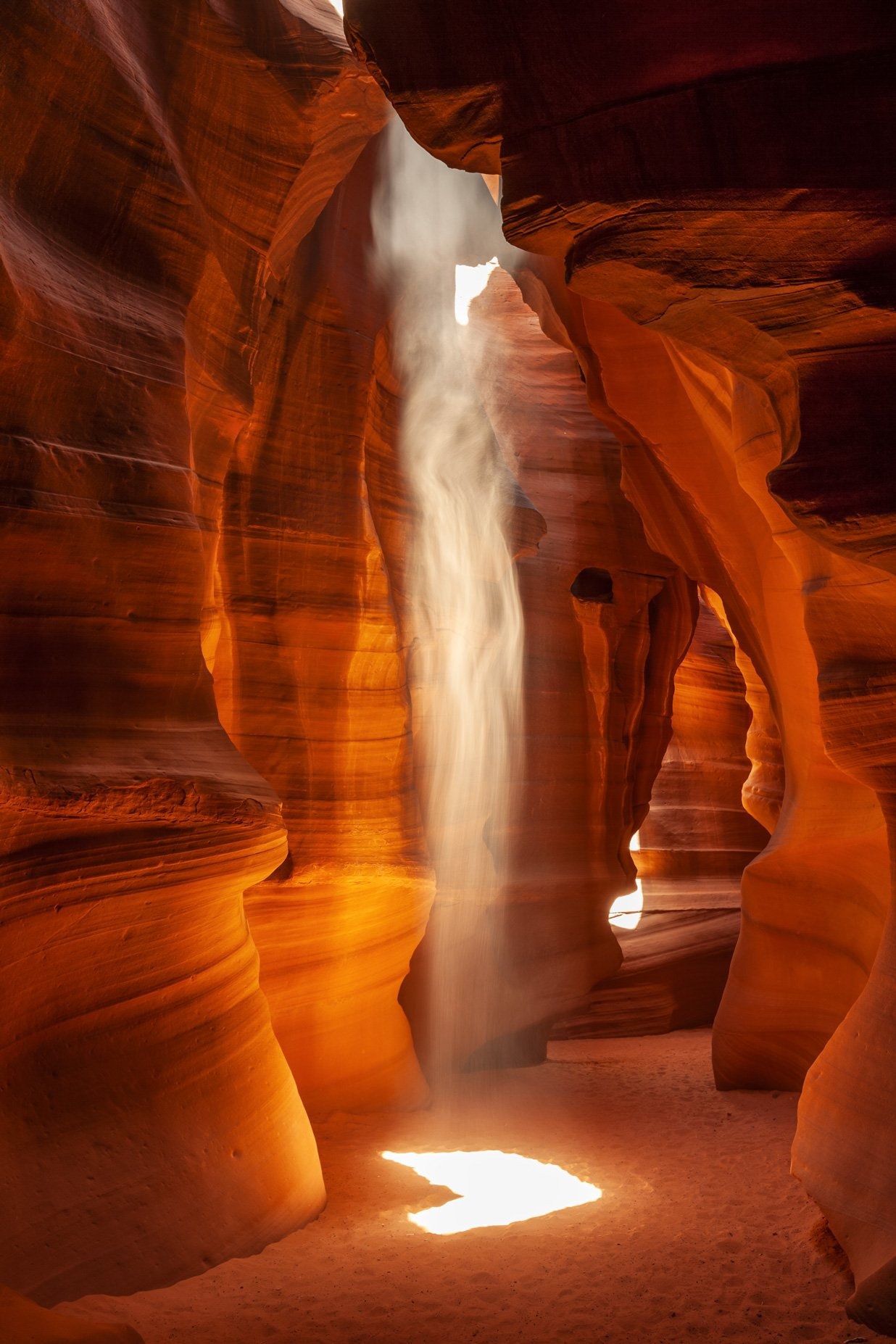
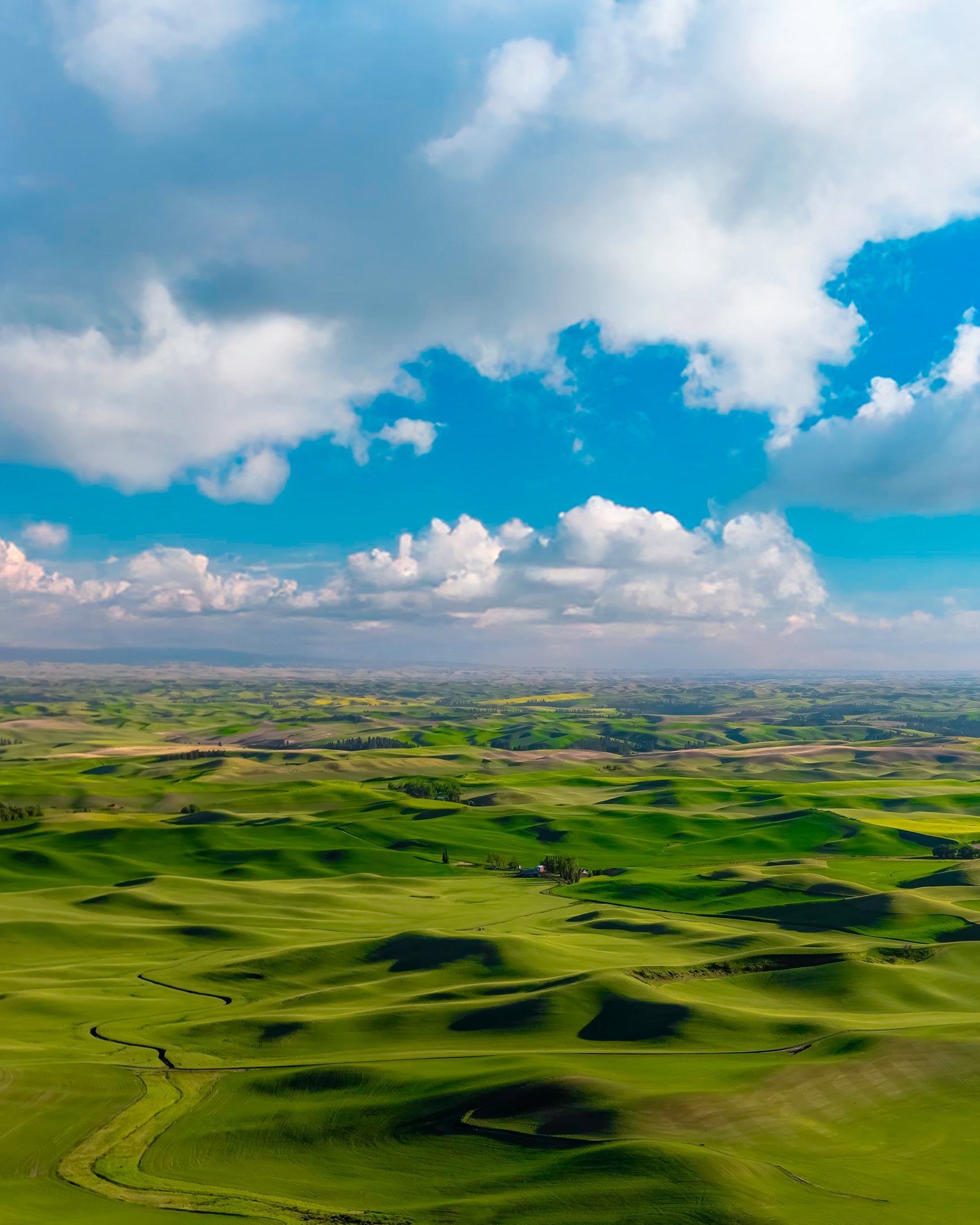
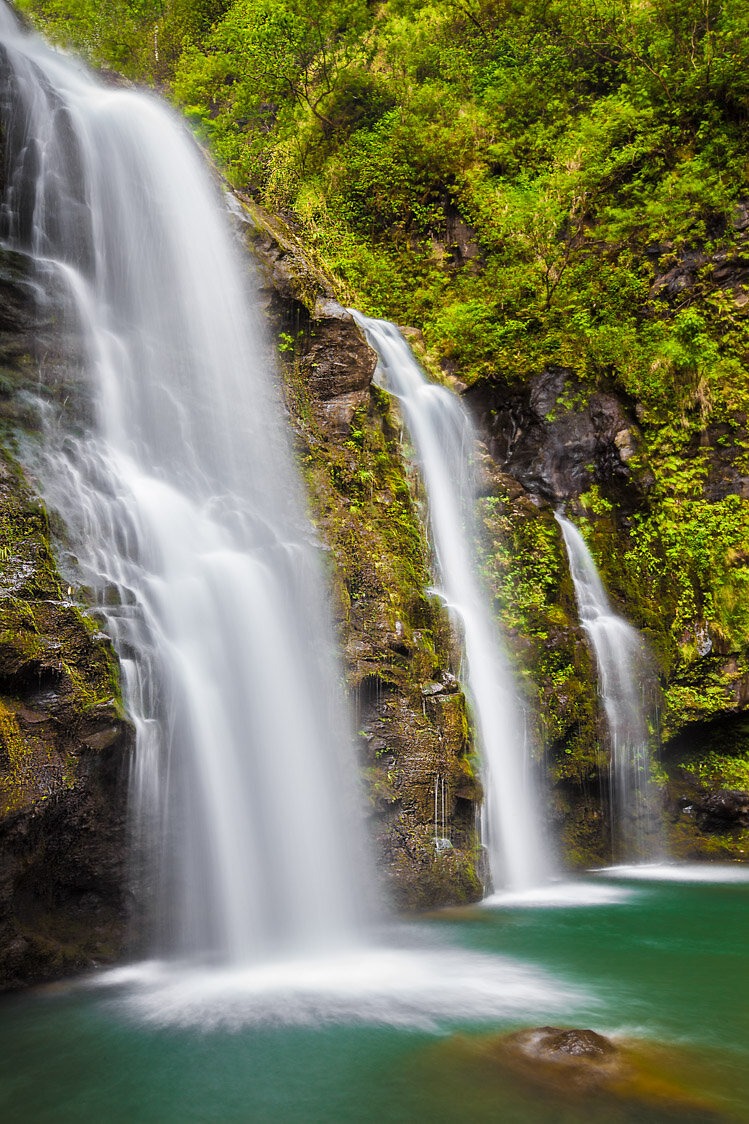
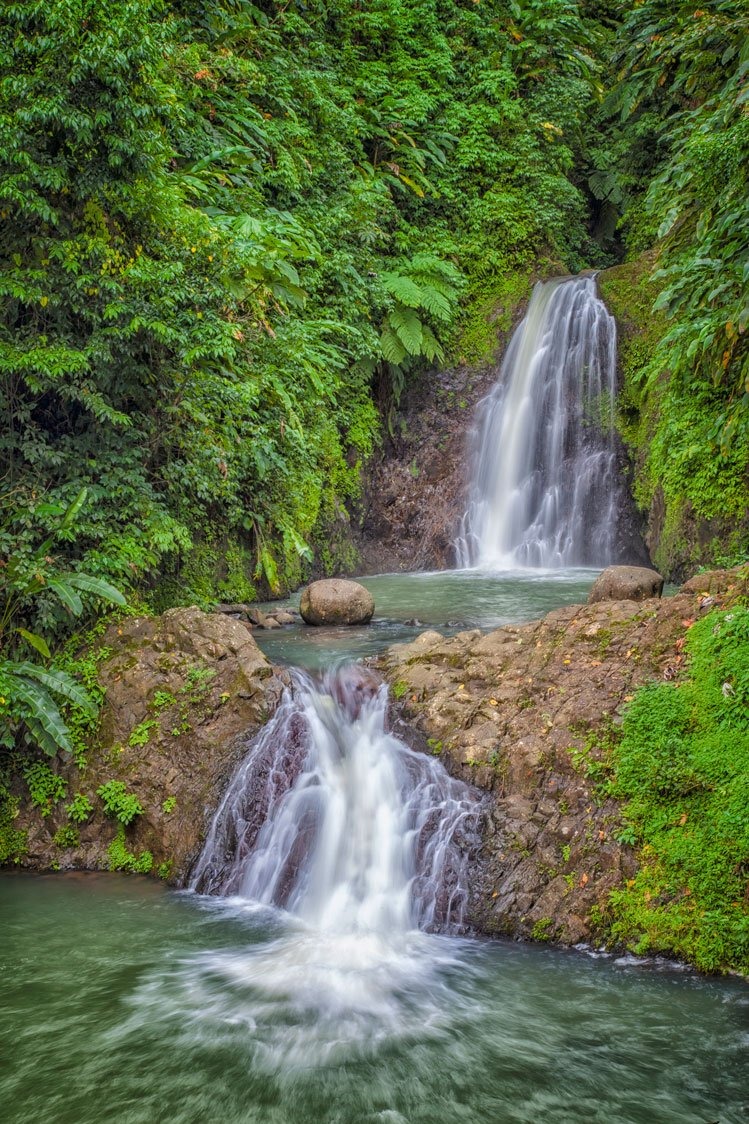
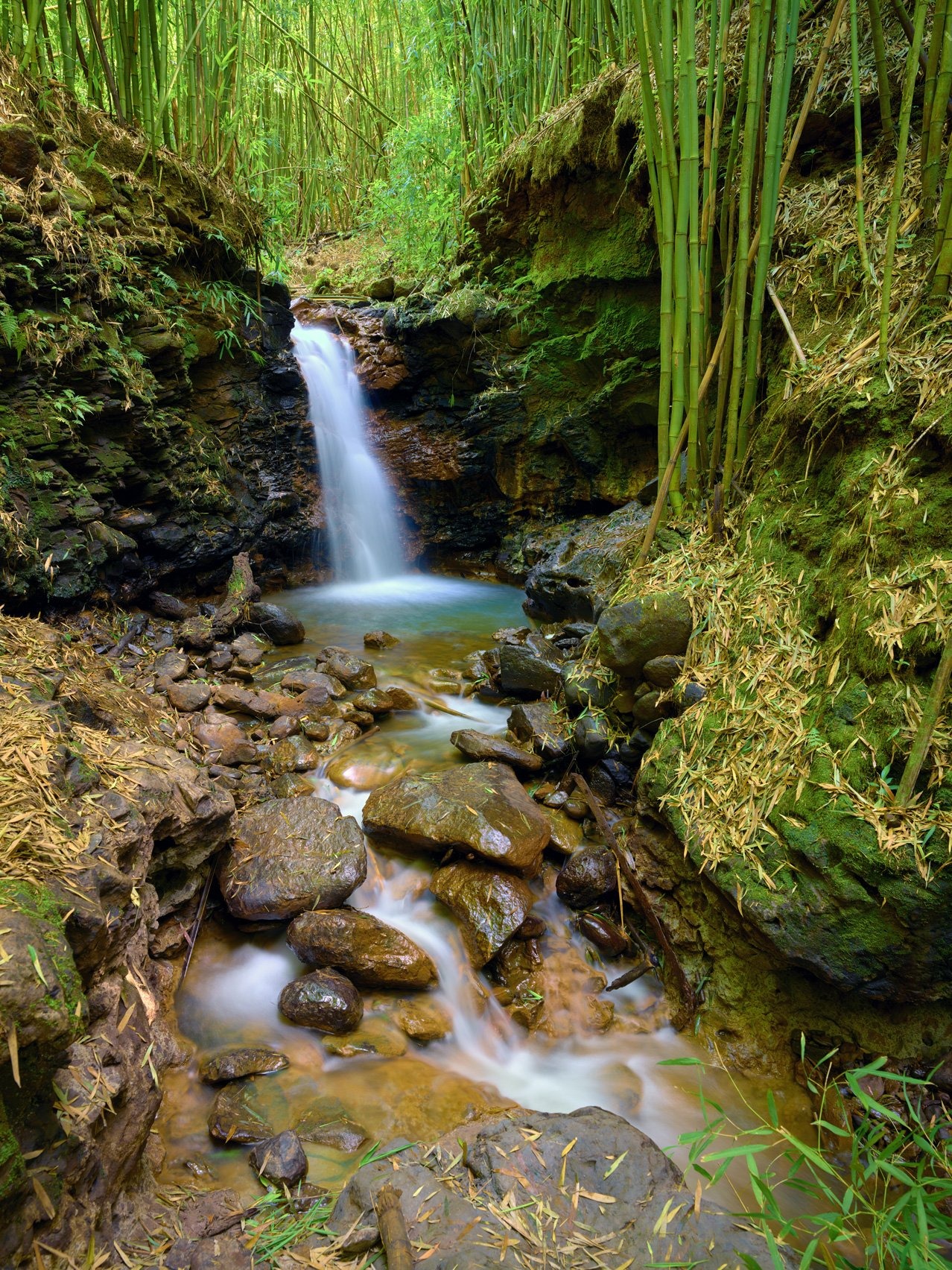
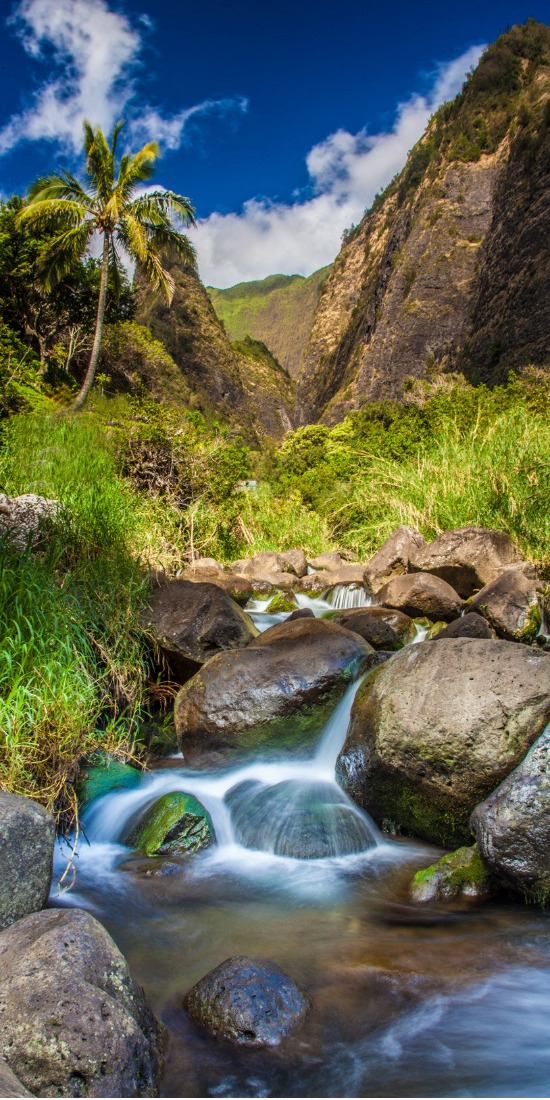
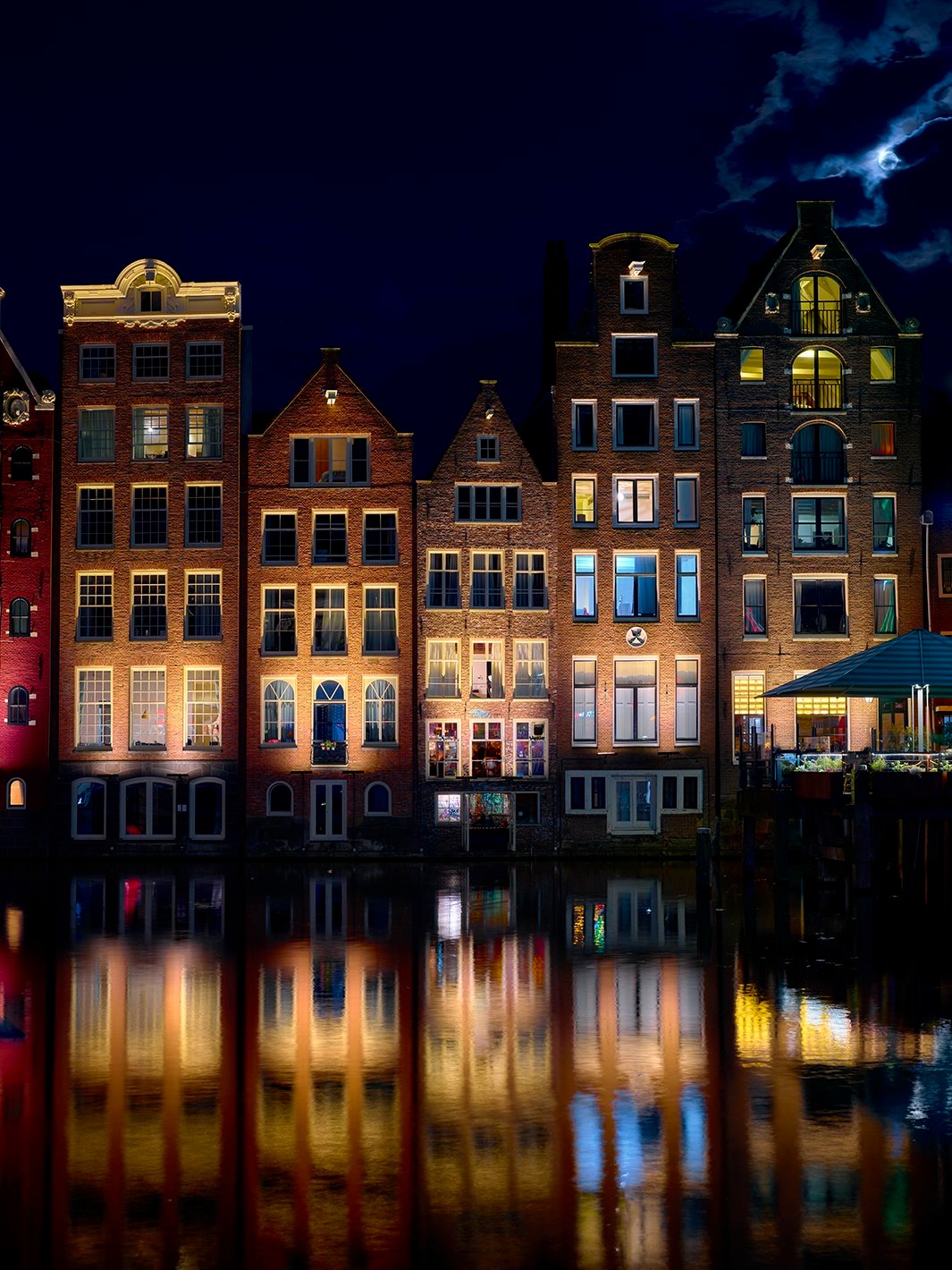
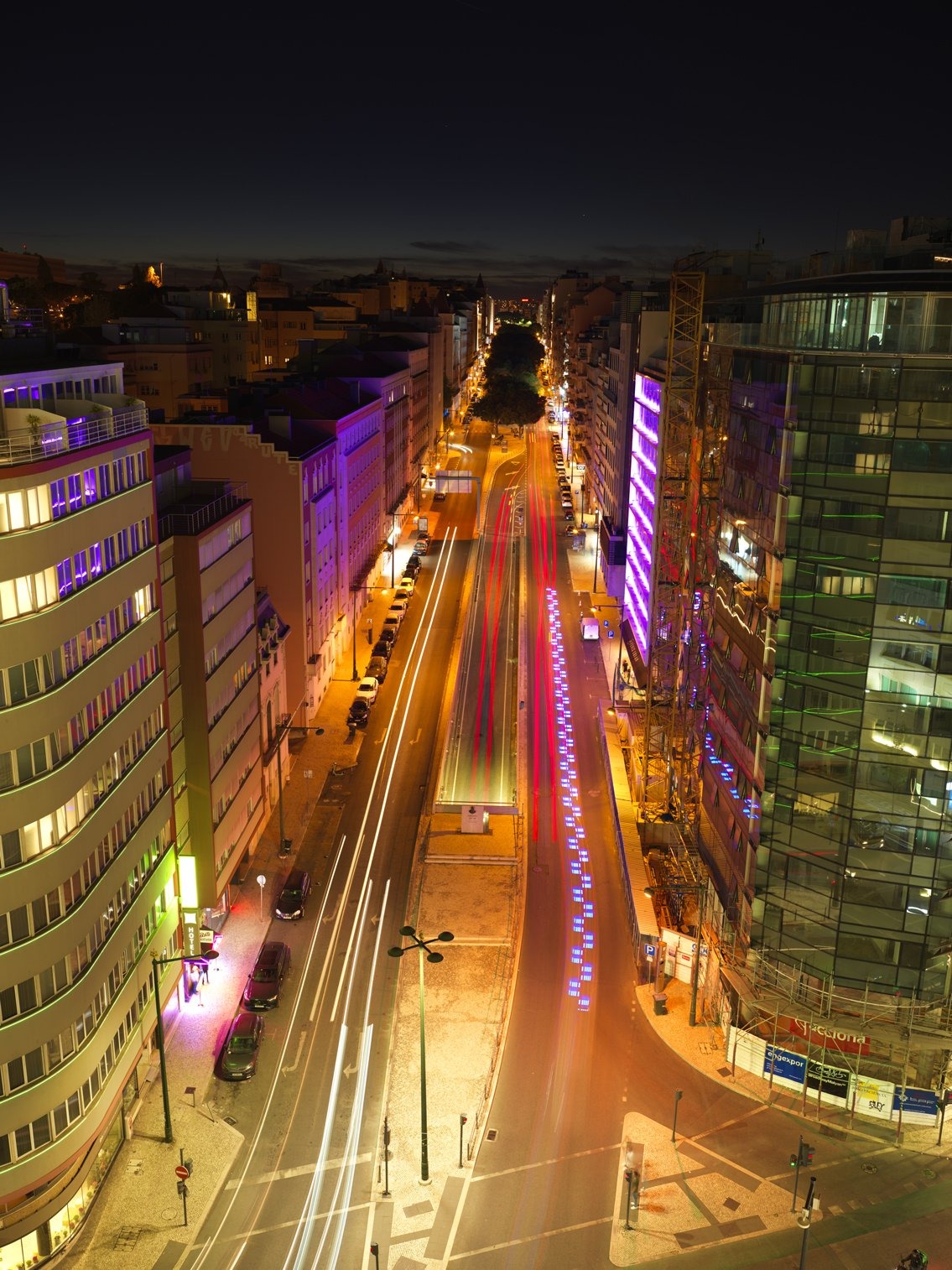
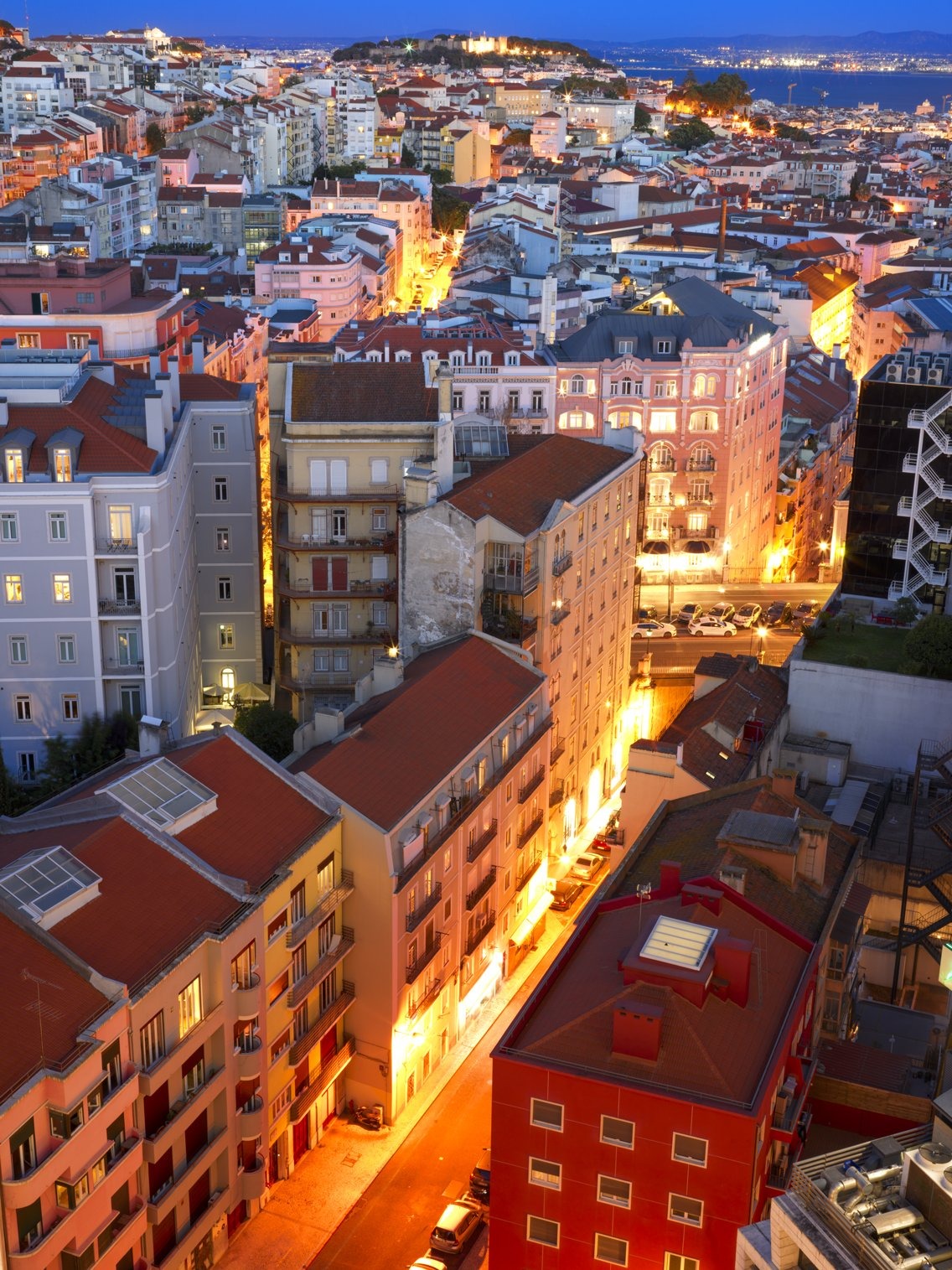
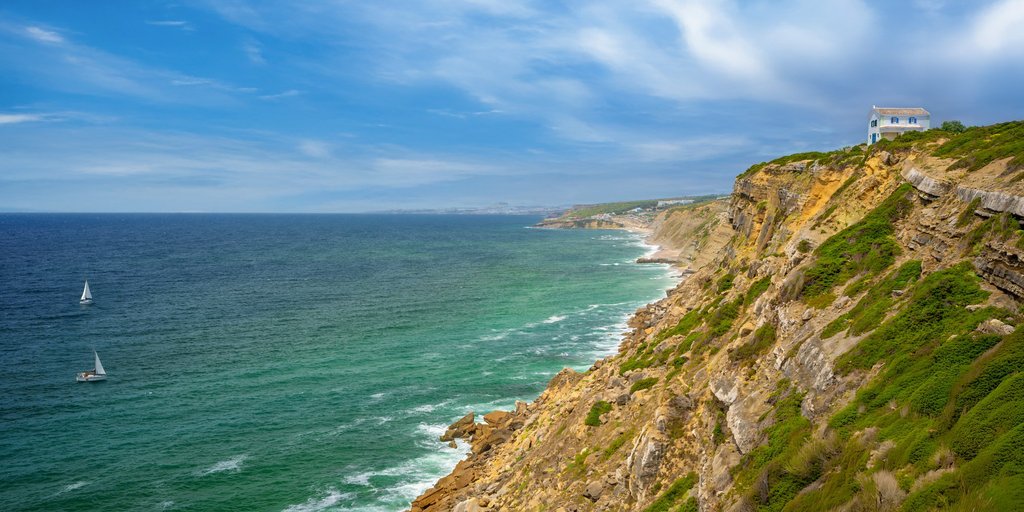
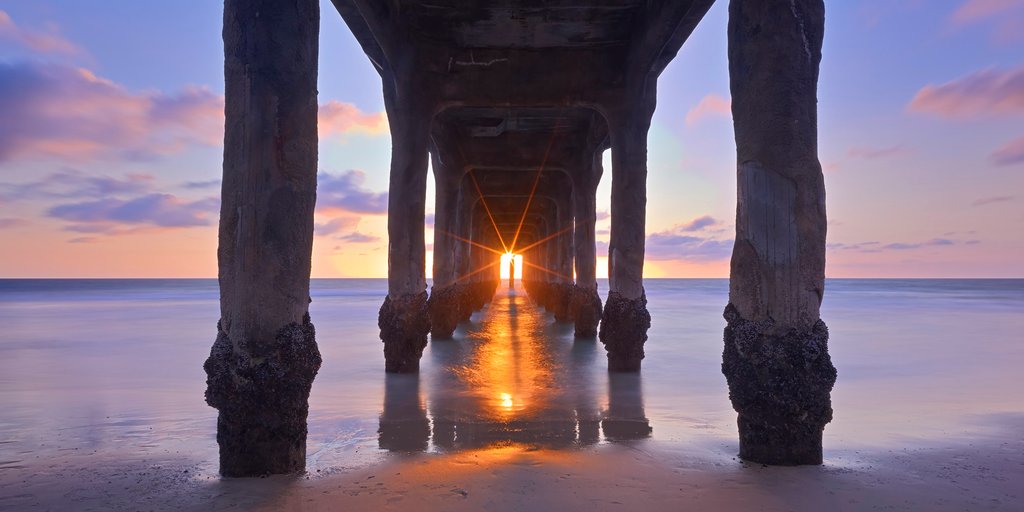
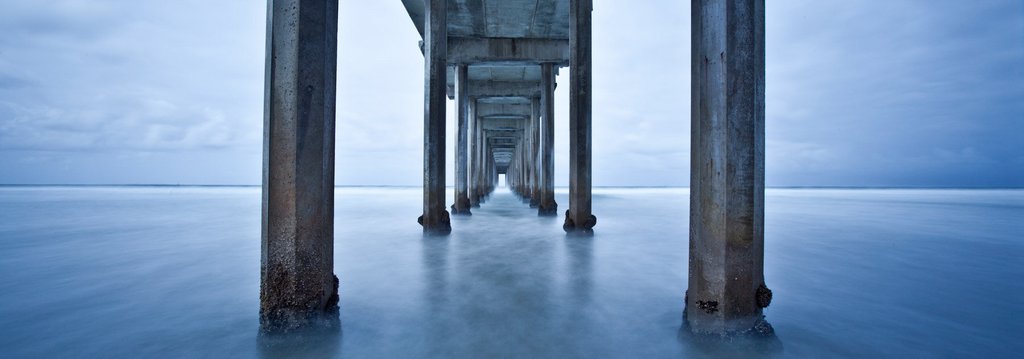
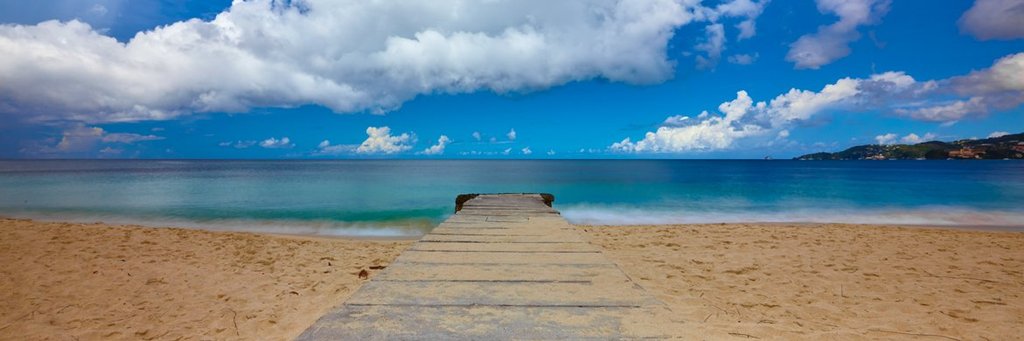
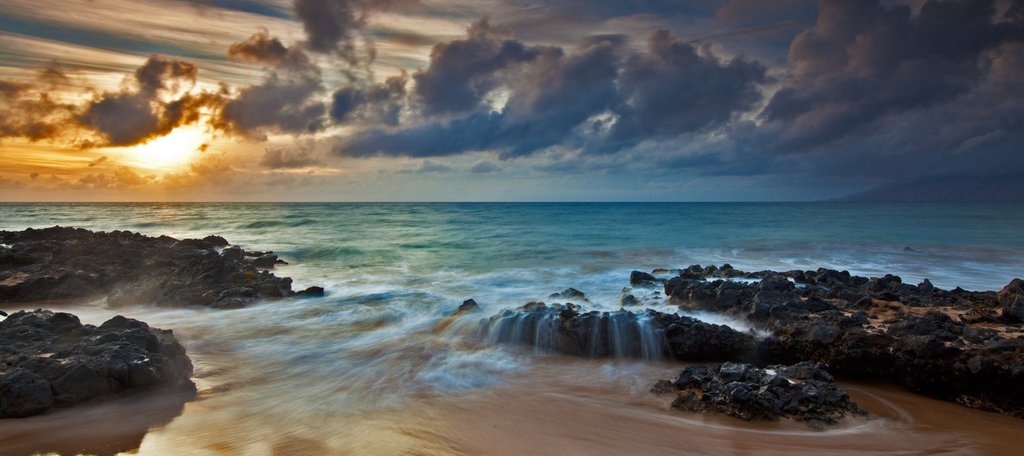
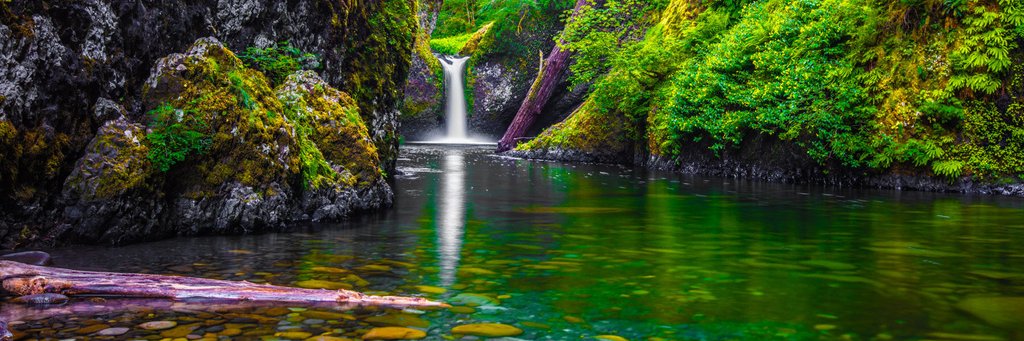
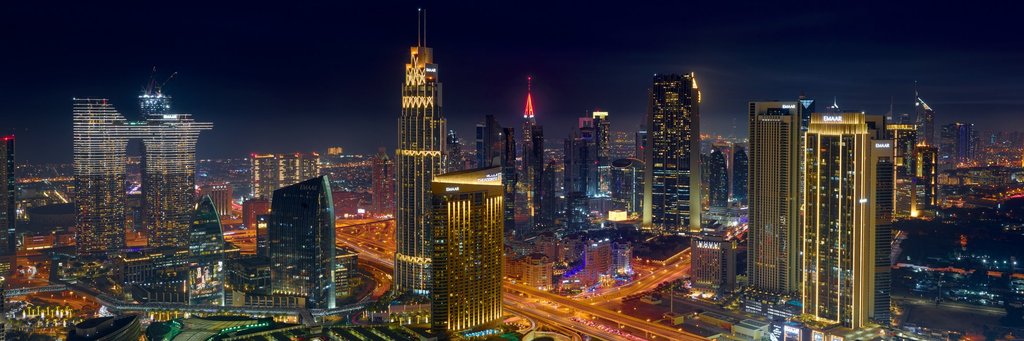
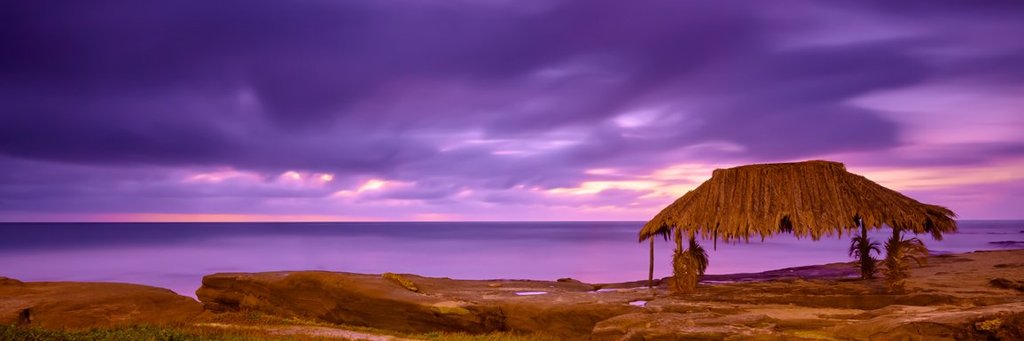
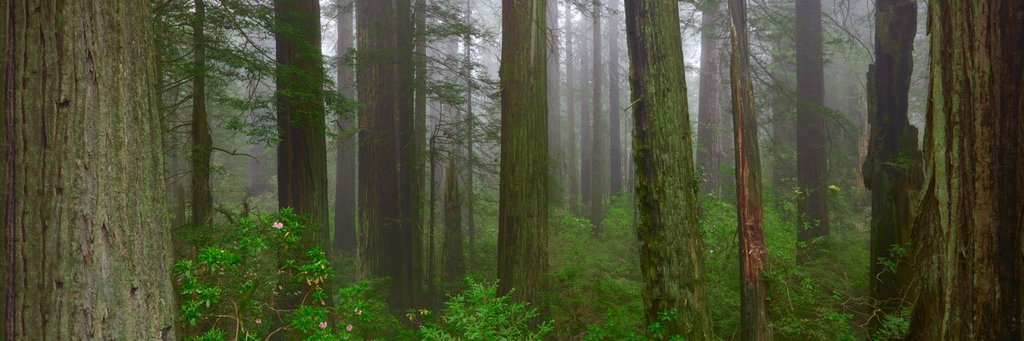
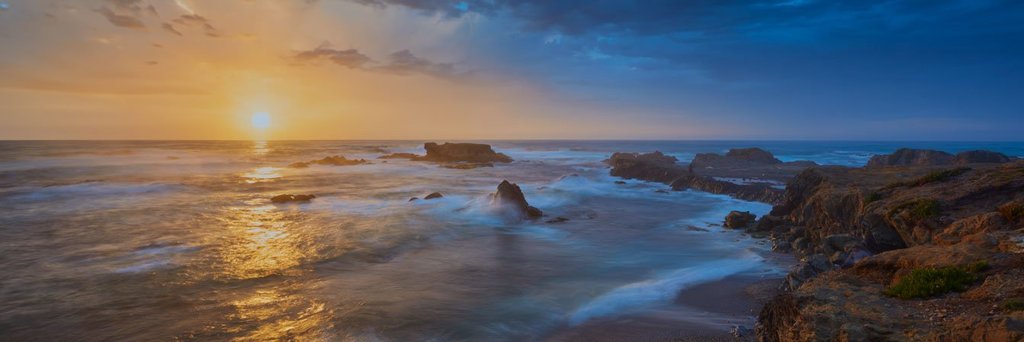
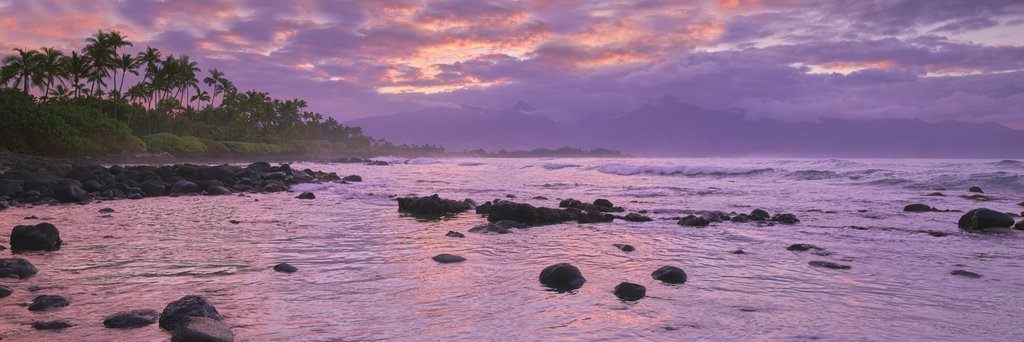
The work is large-format color landscape photography in the commercial-gallery register descended from Peter Lik and the tone-mapped travel-HDR lineage of Trey Ratcliff, with a distant and largely rhetorical gesture toward Ansel Adams. Capture is medium-format Hasselblad and Phase One with graduated ND filters, output as Fuji Flex prints at gallery scale; the stated process is in-camera and minimally retouched, though the finished frames carry the violet-gold and teal-orange chroma, edge halos, and panoramic-crop default of the preset-driven destination-landscape idiom. Subject categories are consistent across two decades: Antelope slot-canyon light shafts, Delicate Arch under stars, the Palouse, Maui and Columbia Gorge waterfalls, redwoods and rainbow eucalyptus, blue-hour cityscapes of Amsterdam, Lisbon, Dubai and Las Vegas, and storybook vernacular at Giethoorn and Sintra. Composition leans on centered axial subjects, foreground repoussoir at the wide-angle near edge, and rule-of-thirds horizons; light is restricted almost entirely to golden hour and civil twilight, with long-exposure water smoothing and sunstar diffraction recurring as signature devices.
The career markers cluster on the commercial and editorial side of the field. Two eponymous galleries operated in Las Vegas (Stratosphere, 2012–2017) and Minneapolis (Wayzata, 2015–2017); current representation is with Mondoir Gallery in Dubai, where the 2025 solo Chasing the Light was mounted. Group and fair appearances include Venice Biennale (2022) and Art Basel Miami Beach (2022). Editorial and platform credits include the TIME TIMEPieces Genesis NFT drop (2022), the National Geographic first-cohort NFT drop (2023), and work with Red Bull, USA Today, Billboard, and Google between 2018 and 2021. Two self-published monographs (2018, 2021) anchor the print record, alongside an Emmy nomination in 2018. Beyond the personal practice, Knopf founded FOTO, a working-photographer community whose curated exhibitions at NFT NYC and Art Basel have shown more than a thousand photographers, and he has organized exhibition programs for National Geographic and TIME and curated publications with HUG and with Michael Yamashita.
The stated aspirations — a museum acquisition, a state-level artist fellowship, and a monograph of the American West work — point to a register the existing record does not yet address. The collections list is corporate (TIME, National Geographic NFT cohorts); there is no museum holding, no kunsthalle or non-profit institutional exhibition, no curator-authored catalogue essay, and no critical writing in the photography press. Fellowship applications at the Nevada Arts Council or NEA level typically require a defined project with sustained inquiry, and the bodies of work as listed are open-ended geographic categories ("American West landscapes, 2010–present") rather than discrete projects with a thesis, a date of completion, and a return-visit structure. A monograph of the American West work would require either a trade or university press willing to take it, or a self-published volume distinct from the two existing ones; no such publisher conversation, no editor, and no writer for the accompanying text appear in the record.
Ranking
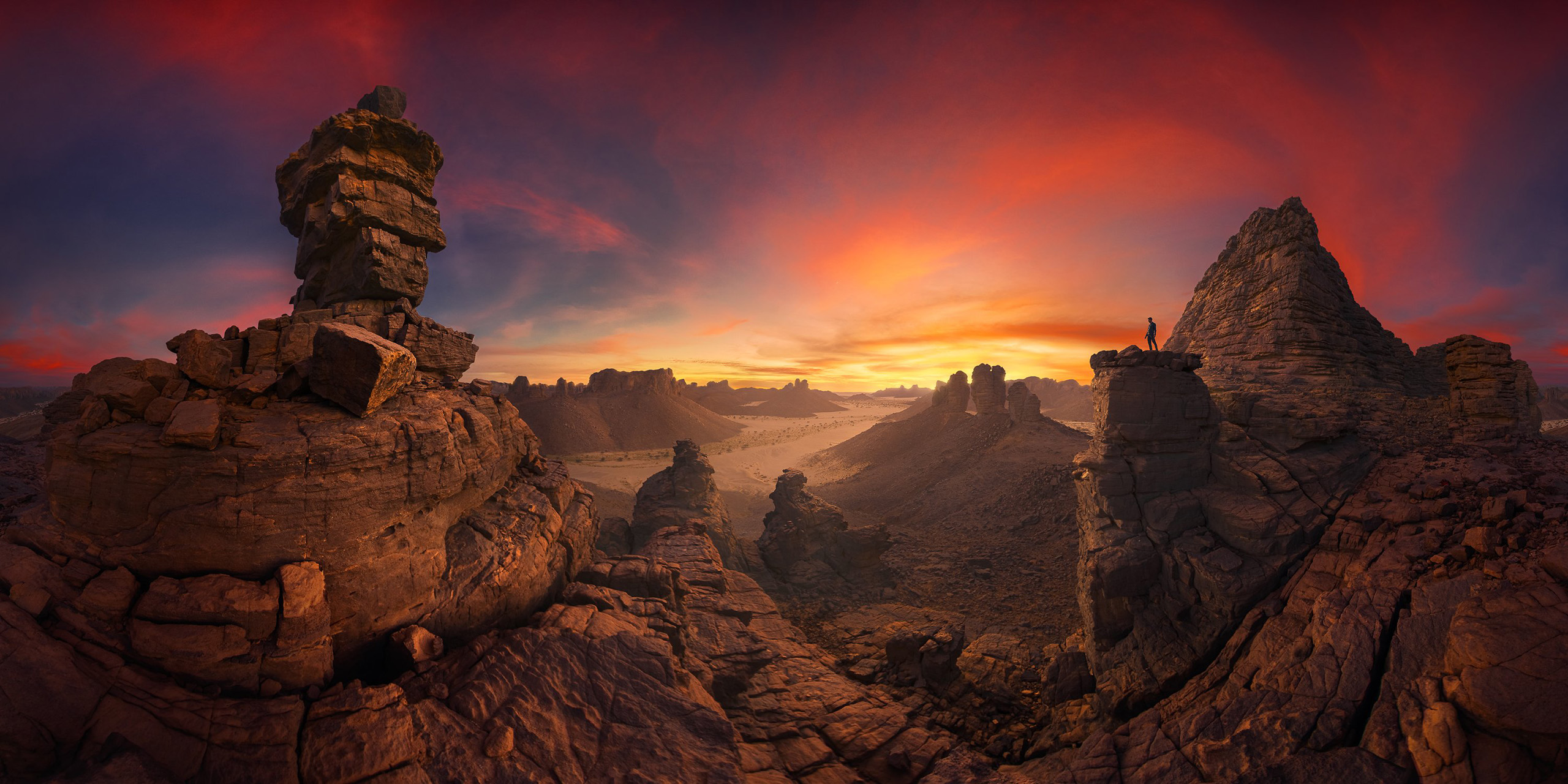
The ordering here is driven almost entirely by aesthetic-fit alignment rather than by award prestige, because Knopf's StyleFingerprint — the Lik/Malan/Rive lineage of saturated, high-contrast, dramatic-vantage landscape work — sits cleanly inside some of these institutions' past cohorts and squarely opposite to others. Epson Pano leads at composite 0.47 because it is the only award on the list whose past winner pool explicitly includes Peter Lik, and the Tahoe Bonsai-Rock pastel pano (id=73) is essentially a textbook Pano frame: 2:1 crop, smoothed water, magenta-to-orange preset sky. The ceiling there is mechanical — only id=73 meets aspect — but the fit is unmatched, which is why it ranks well above the next tier even at a smaller submission count.
NANPA Showcase and ILPOTY occupy the second tier together at composite 0.25 for inverse reasons. NANPA earns its placement because its Scapes and Altered Reality categories openly admit Knopf's saturated-chroma register, and his Las Vegas base plus twenty-year practice fit the membership profile; the constraint is geographic, with the Lisbon, Sintra, and Dutch alley frames falling out of the continental remit. ILPOTY ranks alongside NANPA but for narrower reasons — Palacios's warm Atacama work shows saturated landscape can win, but Mielzynski's high-key minimalism sets the actual award-tier ceiling, and the HDR-violet-gold signature across id=29, id=57, and id=37 reads as the register that cohort sits opposite to. Both are plausibly Top-250 / Top-101 territory on the strongest single frames; neither is realistic at the named-award tier.
The bottom three — FAPA, ND Awards, and IPA at composites 0.23, 0.22, and 0.13 — are structurally interchangeable: IPA-family mass-entry awards with broad category trees, generous HM tiers, and unreachable top-tier "Photographer of the Year" prizes that require project armature Knopf's portfolio does not have. The same six frames (id=1, id=6, id=11, id=37, id=66, id=73) map onto live sub-categories in all three, and the same two frames (id=29 iceplant, id=57 haloed vineyard) register as weak signals against more disciplined entries in all three. The ordering among them is essentially a fit-margin tiebreaker, and the realistic outcome at each is multi-HM with no category win.
Application priority should follow the fit ranking, not the prestige ranking. Epson Pano 2026 is the first submission to prepare — it is the highest-confidence placement on the entire dossier, and Knopf almost certainly has un-submitted panoramic captures from the same Tahoe and canyon shoots that would expand id=73 into a three-to-five-frame entry. NANPA Showcase 2027 is the second priority because the category fit is real and the geographic constraint is a filtering exercise rather than a ceiling problem. ILPOTY, FAPA, ND, and IPA should be treated as a single batched submission cycle using the same six-frame core set across all four — the marginal cost of adding another IPA-family entry is low, the HM-tier outcomes are plausible across the board, and there is no reason to prioritize among them beyond deadline order.
Your CV
One canonical CV used across every application below. If a specific opportunity has a word, character, or page cap, you’ll see a trim note inside that opportunity’s package — apply it before submitting.
You requested up to 25 opportunities. Atelier returned 13 (6 included, 7 filtered out with reasoning) — the honest universe of opportunities matching your filters for this photographer’s lane and the configured submission window. Atelier did not pad the slate with low-fit options. To see more opportunities, loosen your filters or select a wider opportunity-type set on the next run.
Top opportunities (6)
17th Epson International Pano Awards 2026
These drafts are starting points. Edit before submitting — your voice matters. Atelier’s job is to remove the writing wall, not write under your name.
Artist statement
Your practice in your own voice. Most applications ask for 250–500 words — paste into the “Statement of Practice” or “Artist Statement” field.
Project proposal
Used when an opportunity asks what would you do with this funding or residency. Paste into the “Project Description” or “Proposal” field.
Cover letter
Used as the email body or letter-style intro. Most applications either include a “cover letter” field or expect this as the body of your submission email.
Work sample selection — 12 images
The portfolio images Atelier suggests submitting for this opportunity, with a per-image rationale. Most applications limit to 10–20 images — these are the ones that best fit this institution’s working rubric.
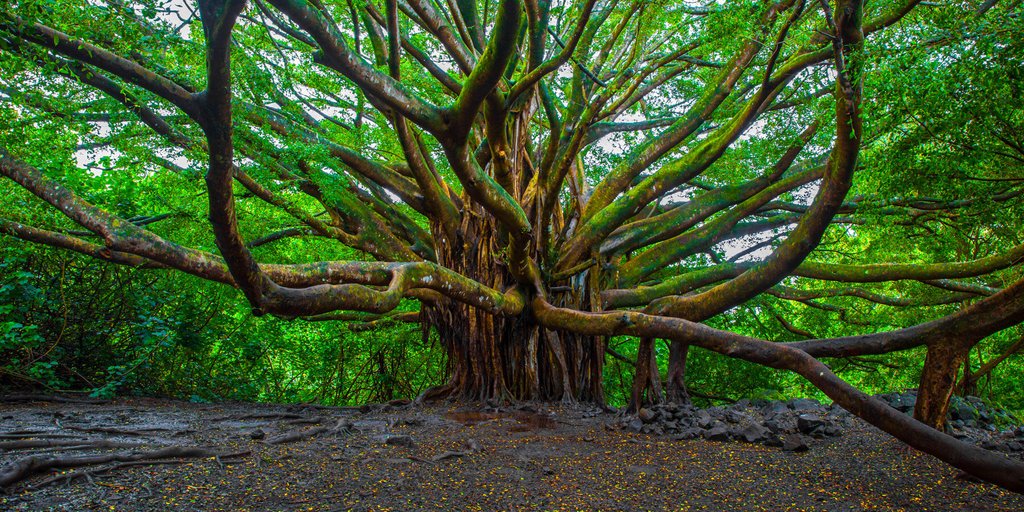

NANPA Showcase 2027 (North American Nature Photography Association)
International Landscape Photographer of the Year (ILPOTY) 2026 — 13th Edition
Fine Art Photography Awards 2026/2027 (13th FAPA)

ND Awards (Neutral Density Photography Awards) 2026